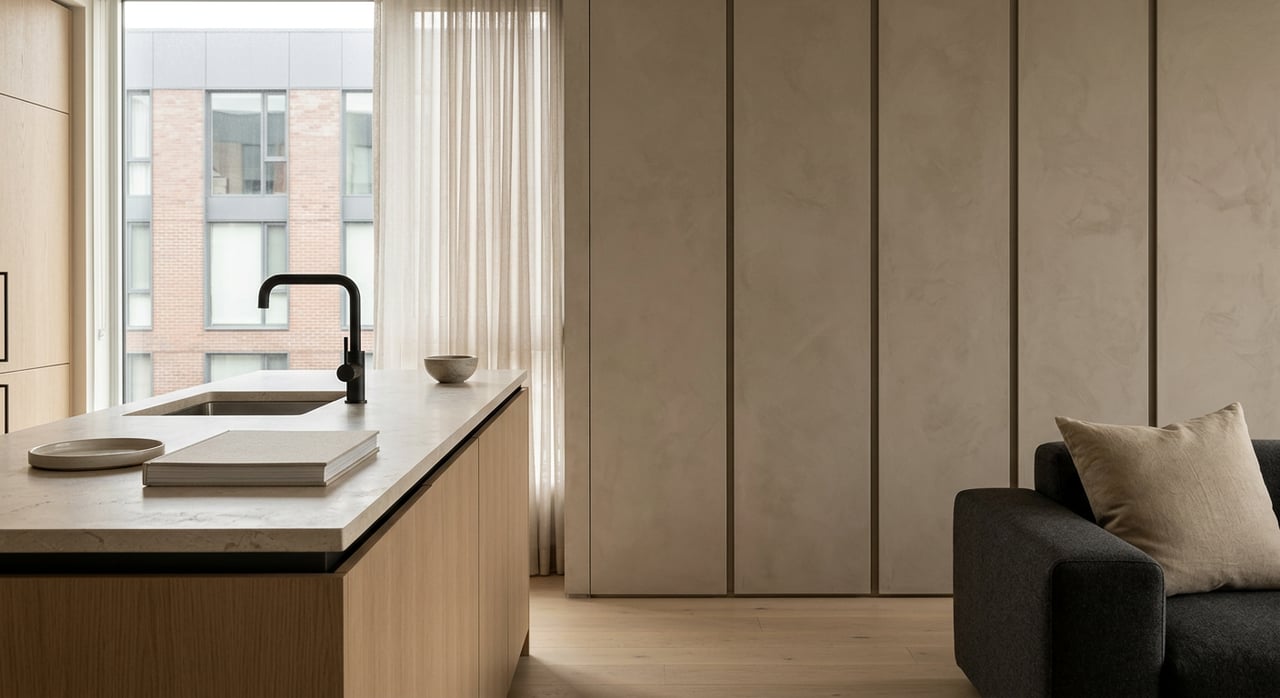
If you love clean lines, crisp light, and the ease of elevator living, The Gulch puts it all at your doorstep. You get a walkable Nashville neighborhood, design-forward residences, and full-service buildings that make life simple. In this guide, you’ll learn what to look for in a Gulch condo or townhome, how to evaluate finishes and layouts like a designer, and which association documents protect your investment. Let’s dive in.
Why The Gulch works for design lovers
The Gulch is a compact, urban neighborhood between Downtown and Music Row with restaurants, retail, and pocket parks woven through the streets. You can stroll to Noble Park or Grace’s Alley, grab coffee, and meet friends without getting in the car. Walkability typically scores in the high 80s to around 90, which is part of what you pay for here. If you value a low-maintenance, city lifestyle with style, this district delivers.
Prices vary across buildings and floorplans. Smaller one-bedrooms often list in the mid-$400Ks, while highly finished two-bed and three-bed residences and penthouses can exceed $1 million. Monthly HOA dues scale with amenity levels, from a few hundred dollars to over $1,000 per month in full-service towers. Your best comparison points are recent, building-specific comps and current HOA budgets.
What you can buy in The Gulch
High-rise condos with amenities
Iconic towers such as ICON, Twelve|Twelve, and Terrazzo are known for concierge service, rooftop pools, fitness centers, and secure garage parking. These concrete or mixed-concrete buildings tend to offer better acoustic separation from street noise and a full amenity stack that supports a lock-and-leave lifestyle. If you want quiet, views, and hotel-like services, this tier is worth a close look.
Lofts and mid-rise mixed-use
Converted or loft-style buildings like Laurel House Lofts and Mercury View Lofts bring character and volume, often with higher ceilings and exposed elements. Newer mid-rise projects, including Pullman Gulch Union and 1212 Demonbreun, mix retail at street level with residences above. You trade a bit of acoustic privacy compared to concrete towers in exchange for texture, warmth, and a boutique feel.
Townhomes and rowhouses
Townhome-style options are less common inside the Gulch core, but they offer direct entries, private stoops, and vertical separation that lives more like a home. If you want a distinct front door, more defined levels, or space that feels separate from neighbors, keep an eye out for these limited listings.
Typical floorplans and finishes
Studios often range around 600 to 750 square feet, one-bedrooms from about 700 to 1,000 square feet, and two-bedrooms from roughly 1,000 to 1,600-plus, with select three-bedroom plans in certain buildings. Common finishes include floor-to-ceiling glass, engineered hardwood or polished concrete floors, quartz or granite counters, stainless appliances, and sleek tile backsplashes. Higher-end residences may add built-in closet systems and motorized shades, plus access to rooftop decks, dual fitness rooms, and private storage lockers.
Design-first livability checklist
Use this on-site audit to see how each residence will live day to day.
Light and orientation
- Visit morning, midday, and late afternoon to see how sunlight moves through living spaces and bedrooms.
- Note east or west exposures that can add glare, then check whether adjacent buildings shade those big windows.
- Open and close windows to confirm seals and operability, and look for condensation at edges. Many buyers say natural light is a top comfort factor, which is why timing your visits matters. Consider this advice from homeowners on the lessons they learned when buying.
Floorplate and flow
- Measure your furniture footprint. Check sofa-to-TV wall distance, dining table clearance, and bed plus nightstand fits.
- Map a work-from-home nook that does not disrupt living or dining sightlines.
- Confirm closet placement and built-ins. In some newer Gulch buildings, fitted closets are a meaningful upgrade.
Storage audit
- Measure closet depths. About 24 inches is a functional hanging depth and 12 inches works for shelves.
- Count closets, look inside cabinetry, and check for utility storage in laundry areas.
- Confirm whether a deeded or assigned storage locker conveys, where it is located, and its size.
Parking and access workflow
Verify if garage spaces are deeded or assigned by license. Deeded spaces are typically stronger for resale.
Note elevator proximity from your parking spot, walking distance, and any stairs along the route.
Ask about guest parking logistics if you entertain often. Side-by-side spaces are a premium you will feel every day.
Fixtures, electrical, and systems
- Locate switches and outlets where you need them. Plan for floor outlets or wall wiring if you want a wall-mounted TV.
- Identify kitchen circuits for small appliances and confirm laundry location for noise and access.
- Ask if HVAC is in-unit or central. In-unit systems are convenient but can add mechanical noise.
- If you want EV charging, confirm whether the garage has EV infrastructure or a retrofit plan.
Acoustics and privacy
- Concrete towers typically offer better sound isolation than lighter construction or older lofts.
- Listen for mechanical noise from elevators or rooftop equipment during showings.
- Close doors and run water to hear plumbing noise from above or next door. If you work from home, prioritize quieter stacks.
Outdoor space and views
- Measure balcony depth to confirm furniture will fit and still allow circulation.
- Check sun exposure and privacy between neighboring balconies.
- Consider rooftop decks and amenity terraces if private outdoor space is limited in the unit.
Red flags to investigate
- Fresh paint near ceilings or baseboards that might hide water stains.
- Warped doors, inconsistent flooring transitions, or minimal closet depth.
- Over-staged rooms that conceal storage gaps. Cross-check any concern with your inspector and the HOA minutes.
The condo association deep-dive you must do
In amenity-rich urban buildings, the association budget, rules, and reserves affect your monthly costs and resale value as much as the finishes do. Ask for the resale or estoppel packet early so you can evaluate the health of the building before you are out of contingency.
- Resale or estoppel certificate. This shows current dues, any arrears, transfer fees, pending special assessments, and the seller’s standing. Learn what an estoppel covers in this helpful primer on estoppel certificates in real estate.
- Budget, balance sheet, and reserves. You want to see a realistic operating budget and adequate reserve funding for big-ticket repairs. The Community Associations Institute explains why reserve planning matters for owners in its association resources.
- Meeting minutes and legal notices. Review the last 6 to 12 months for planned projects, disputes, or construction claims that could lead to special assessments.
- Master insurance declarations. Find out if the policy is bare-walls, single-entity, or all-in, and note the deductible. This determines your HO-6 needs, including loss-assessment coverage. For a quick overview, see this HO-6 insurance guide.
- Rental and STR policy. Buildings often limit short-term rentals beyond city rules. Metro Nashville requires permits and distinguishes owner-occupied and non-owner-occupied permits with specific criteria. Review the building policy, then confirm municipal requirements using Metro’s short-term rental permit guidance.
- Parking and storage details. Ask for documentation showing whether spaces are deeded or licensed, plus a map of assignments and any fees.
Financing and project eligibility
Condo financing depends on the building as much as your profile. Many lenders have project requirements for owner-occupancy ratios, reserve funding, insurance coverage, and any pending litigation. Get a local lender’s building questionnaire going early so surprises do not surface a week before closing.
Quick offer-ready checklist
Use this language when you submit or negotiate your offer. It keeps the paperwork clean and the risk low.
- “Please deliver the HOA resale packet or estoppel certificate and the most recent 12 months of HOA minutes and the last two audited financials.” Learn why the estoppel is critical in this estoppel explainer.
- “Provide a copy of the association’s master insurance declarations.” Align your HO-6 policy with the master policy using this HO-6 overview.
- “Confirm whether parking and storage spaces included with this unit are deeded or assigned/licensed. Provide a map of assignments.”
- “Is any special assessment planned or pending in the next 24 months? If yes, provide scope and financing plan.” See association best practices from CAI.
- “What is the building’s policy on rentals and short-term rentals, and is there any Metro STR permit tied to this unit?” Check permit details with Metro’s STR resources.
Make your move with confidence
Buying in The Gulch is about more than a great view. It is about the right orientation, a layout that supports your life, the comfort of solid construction, and an association that plans for the future. When you weigh design, daily workflow, and the HOA picture together, you make a smart, long-term decision.
If you want a design-forward strategy and a smooth process from tour to closing, connect with Shonte’ Walton for a boutique, concierge experience tailored to how you live.
FAQs
What price range should I expect for Gulch condos?
- Recent listings show smaller one-bedrooms in the mid-$400Ks and highly finished two-bed and three-bed residences and penthouses above $1 million. Always verify with current building comps and HOA dues.
Which Gulch buildings offer the most amenities?
- Full-service towers like ICON, Twelve|Twelve, and Terrazzo typically include concierge, rooftop pools, fitness centers, and secure garage parking. Amenities vary by building, so compare program details and dues.
How do short-term rental rules affect buying in The Gulch?
- Metro Nashville requires STR permits and separates owner-occupied from non-owner-occupied permits. Buildings may add stricter internal limits. Review the HOA policy, then confirm requirements with Metro’s STR guidance.
What is an HOA resale or estoppel packet and why is it important?
- It summarizes dues, arrears, transfer fees, pending assessments, and the seller’s standing. It is your financial and legal checkpoint. Learn more in this estoppel guide.
Are concrete high-rises quieter than loft conversions?
- Generally yes. Concrete or mixed-concrete towers often provide better acoustic separation than lighter-construction lofts. Always test for mechanical or corridor noise during showings.
What finishes are common in Gulch condos?
- Expect floor-to-ceiling glass, engineered hardwood or polished concrete floors, quartz or granite counters, stainless appliances, and modern tile. Higher-end homes may add built-in closets and motorized shades.