If you love great design, buying a Nashville condo or townhome is about more than square footage or a pretty kitchen. You want a home that feels right when you walk in, works well in daily life, and fits the way you want to live in the city. In today’s Nashville market, you have more room to compare quality, layout, and location with a sharper eye. Let’s dive in.
Why This Market Favors Thoughtful Buyers
Nashville’s condo market in early 2026 looks more balanced than it did during the most competitive years. In Greater Nashville, condo median prices were $338,500 in February, $349,990 in March, and $345,000 in April, while active condo listings rose from 2,268 to 2,654 over that same period. Greater Nashville REALTORS® also described the spring market as a six-month inventory environment, which points to more leverage for buyers.
That matters if you care about design and long-term livability. Instead of rushing into a decision, you may have more space to compare floor plans, building quality, HOA structure, parking, and the overall feel of a property. It is a better setup for buying with intention.
Greater Nashville REALTORS® also noted that condos remained a strong option for first-time buyers, even as condo sales slowed year over year. For many buyers, that creates a useful middle ground between detached-home pricing and a lower-maintenance city lifestyle.
Nashville Condo and Townhome Types
Downtown high-rises and mixed-use buildings
If you want elevator access, skyline views, and easy access to restaurants, entertainment, and the riverfront, downtown is the clearest starting point. Metro’s Downtown Code uses a form-based approach that focuses on how buildings look, function, and meet the street, with design review standards covering height, materials, parking, access, and active ground-floor uses.
That planning framework helps explain why downtown buildings can feel so different from one another. A sleek tower with a polished lobby and integrated retail offers a very different experience from a smaller mixed-use building, even if both are marketed under the same broad neighborhood label.
The downtown plan identifies districts such as Downtown Core, Germantown, Midtown, The Gulch, Rolling Mill Hill, Sulphur Dell, East Bank, Edgehill Chestnut Hill, and Edgefield. These names are helpful for lifestyle comparisons, but they are not always precise legal boundaries.
Townhomes and boutique attached homes
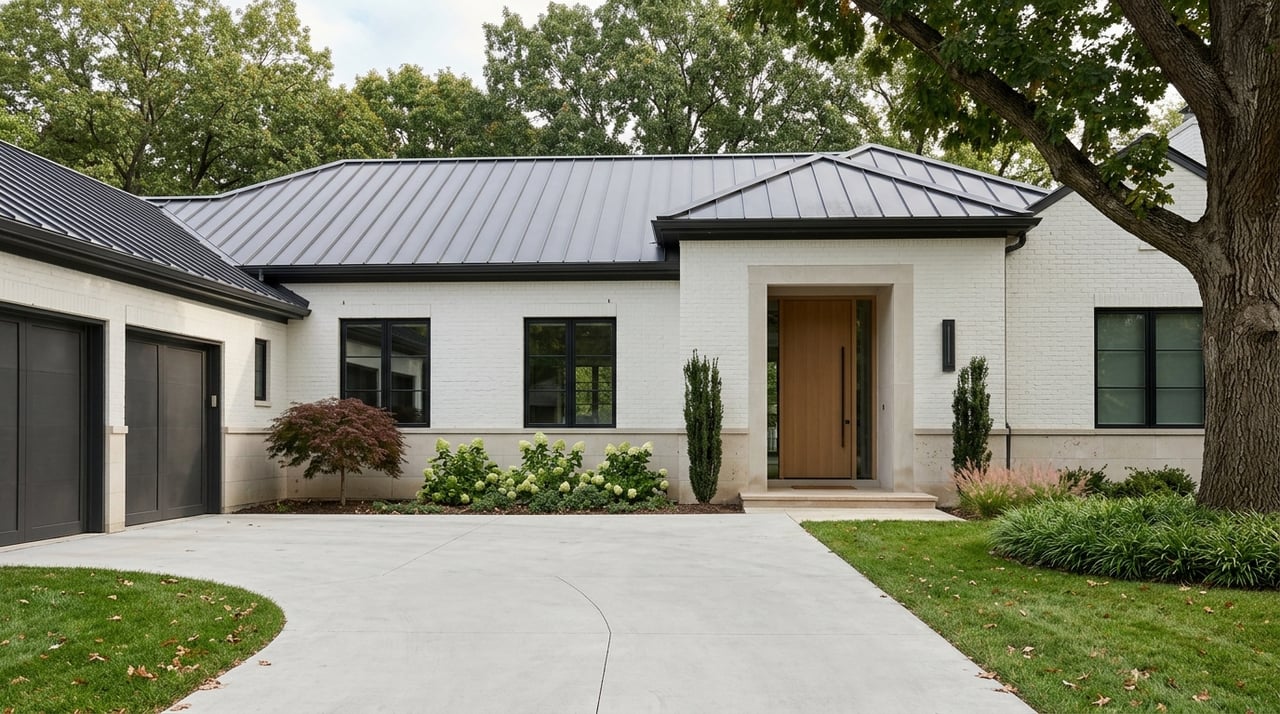
If you want a more private feel, a townhome may be the better fit. In many Nashville areas, attached homes trade some shared amenities for direct entry, garage access, and a lower-profile streetscape.
Metro’s planning framework for neighborhoods emphasizes walkability, connectivity, housing variety, and strong design. Contextual and urban design overlays can regulate setbacks, height, lot coverage, garages, parking, materials, and architectural details, which means infill townhomes often reflect more than just the base zoning.
For design-conscious buyers, areas often associated with this type of housing include Green Hills, Hillsboro Village, Music Row, The Nations, River North, Downtown Donelson, and Wedgewood-Houston Chestnut Hill. The key is to look beyond the marketing name and pay attention to the exact block, streetscape, and building context.
How to Choose the Right Location
Walkability vs privacy
One of the biggest condo-versus-townhome decisions comes down to how you want your day to feel. A high-rise or mixed-use condo can offer easier walkability, more shared amenities, and stronger skyline or river views. A townhome may offer more separation, fewer shared walls in common areas, and an entry sequence that feels more like a private home.
Neither is automatically better. The right choice depends on whether you value lock-and-leave convenience, street-level privacy, entertaining flow, or a more residential rhythm.
Greenway access matters more than many buyers expect
If you want a lower-maintenance lifestyle without giving up outdoor access, Nashville’s greenway system should be part of your search. Metro Parks says downtown greenways are part of a planned 23-mile urban greenway loop around the city’s core, and the city’s goal includes a trail near every community and an inviting ten-minute walk to a greenway in the urban core.
That can shape your quality of life in a very real way. For many buyers, being near a trail or open space feels just as valuable as being close to dining or retail.
Keep an eye on future growth areas
The East Bank is one area worth watching. Metro’s planning presentation calls for at least 1,550 residential units across five buildings, including ground-floor retail and some building heights up to 40 stories near the stadium.
That suggests continued growth in high-rise and mixed-use inventory east of downtown. If you are buying with an eye toward future city development, this kind of planning context can help you evaluate where additional condo options may emerge.
What Design-Savvy Buyers Should Look For
Start with floor plan livability
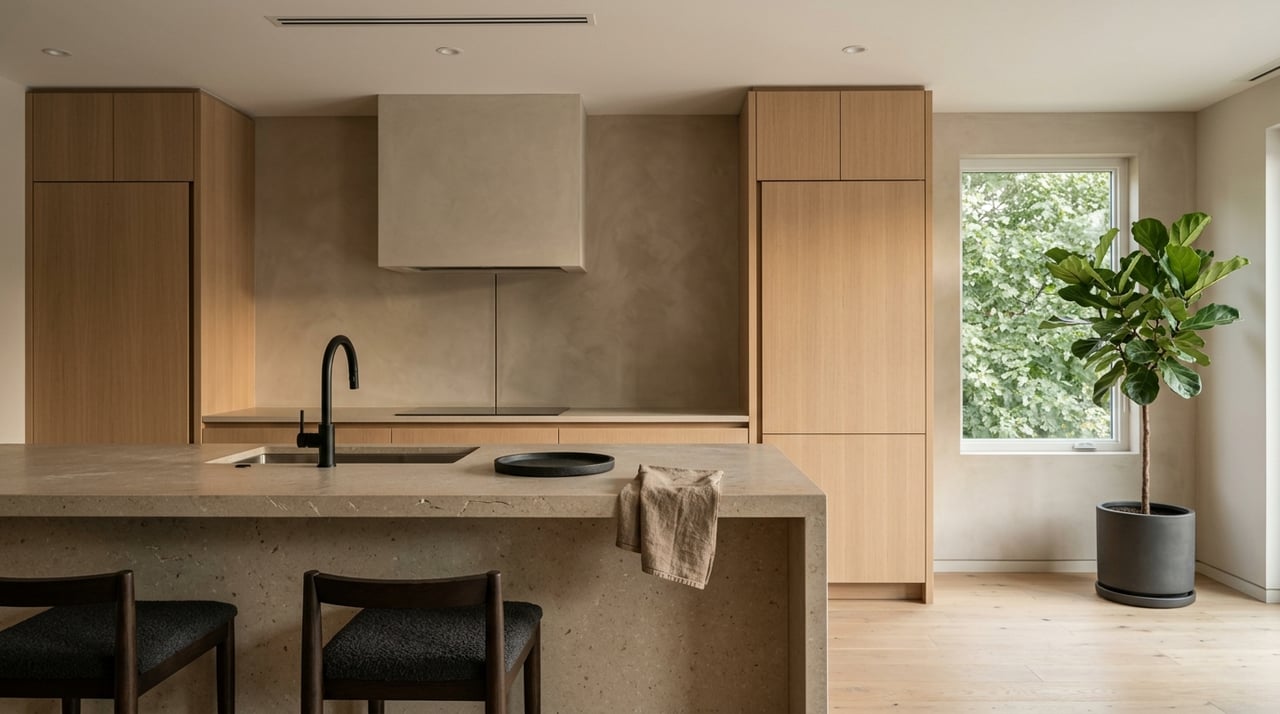
A beautiful finish package does not fix a weak layout. In a condo or townhome, the more useful question is how well the space works every day.
Look closely at:
- Storage that is actually usable
- Bedroom separation from living and entertaining areas
- A true work-from-home space, if you need one
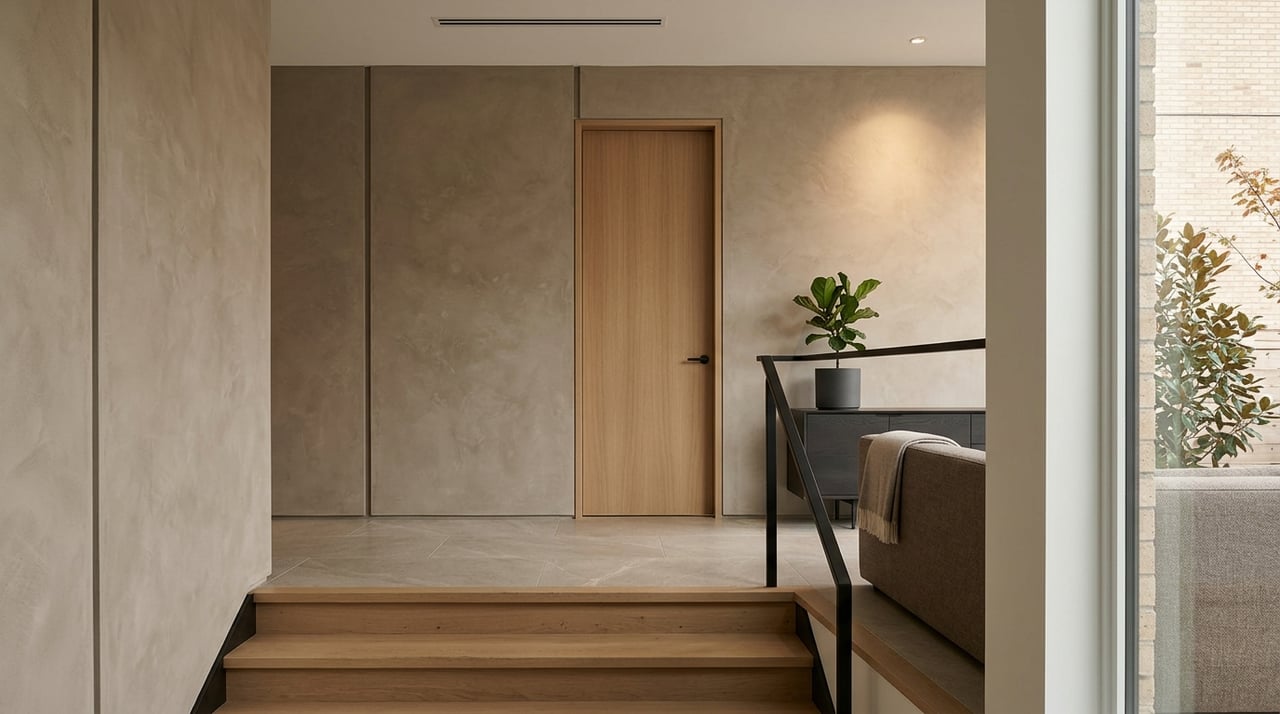
- Stair placement and how much square footage it consumes
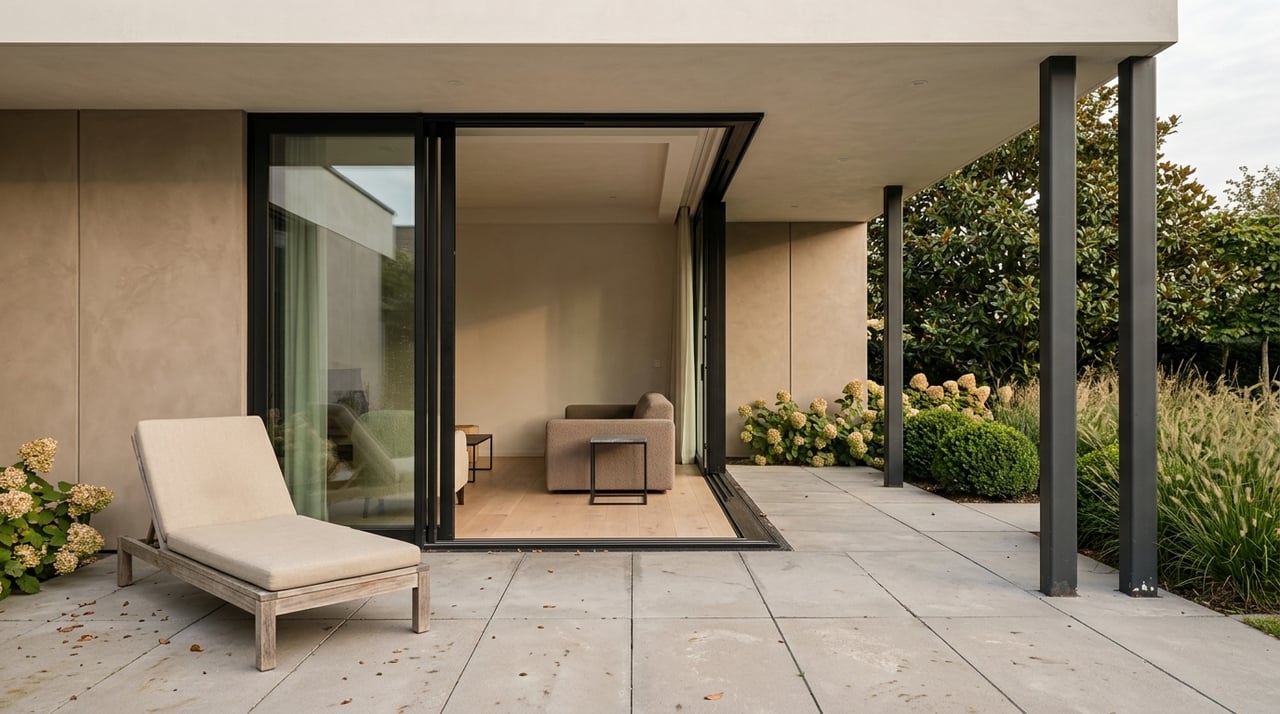
- Outdoor space you will realistically use
- Natural flow between kitchen, dining, and living spaces
A smaller home with a smart plan often lives better than a larger one with wasted corners or awkward circulation.
Look beyond surface-level finishes
Design-forward buyers know that style and substance are not the same. Metro’s design tools address building materials and architectural features, so it makes sense to compare how a property is built, not just how it is staged.
In a condo building, pay attention to exterior cladding, window quality, sound control, common hallway upkeep, parking access, and the elevator experience. In a townhome, details like garage placement, entry privacy, and how the home meets the street often have a huge effect on daily comfort.
Evaluate amenities in context
In Nashville’s urban core, amenities are not just about luxury branding. Metro planning emphasizes active ground floors, public spaces, sidewalks, bikeways, transit connections, plazas, and open-space design.
That means you should judge amenities as part of the full lifestyle package. A rooftop deck, secure parking, package room, fitness center, dog-friendly features, and a well-designed streetscape may all matter more than a long list of flashy features you rarely use.
The HOA Review Is a Design Decision Too
A condo or townhome purchase is never just about the unit. The HOA structure can shape how the property looks, feels, and functions long after closing.
Tennessee’s residential property disclosure form specifically asks whether a property is subject to an HOA, the HOA name and address, monthly dues, special assessments, and common areas. If the property is in a planned unit development, the seller must also disclose that and make restrictive covenants, homeowner bylaws, and the master deed available on request.
For condominiums, Tennessee law requires the association to provide specified information to an owner, purchaser, or lender within 10 business days of a request, and the association may charge a reasonable fee. State law also requires annual common-expense assessments based on an annual budget and allows additional reserve-type assessments when needed to preserve the property’s physical integrity or meet government requirements.
HOA questions worth asking
Before you commit, review the declaration, bylaws, budget, and rules with care. Focus on practical questions like:
- What do the monthly dues cover?
- Are there upcoming special assessments?
- How healthy are reserves?
- What are the rules for pets, parking, storage, and common areas?
- Are exterior changes or design modifications restricted?
- Is the property truly low-maintenance, or just maintained in a different way?
For a buyer with a strong design point of view, these details matter as much as finishes do.
Short-Term Rental Rules Need Clear Answers
If rental flexibility is part of your plan, do not assume a building allows it. Metro says anyone who wants to list a property on short-term rental websites must receive a permit before listing, and the permit checklist requires confirmation that the use does not violate HOA, condominium, covenant, code, or other governing restrictions.
In practice, that means city rules are only one piece of the puzzle. Many buildings and associations may restrict or prohibit short-term rentals even if a city permit path exists.
Don’t Overlook Flood Risk and Site Conditions
Views near water can be beautiful, but they should not replace due diligence. Nashville’s flood-hazard information states that FEMA flood maps are the official maps used to identify special flood hazard areas, and structures in those areas have a 26 percent chance of flooding over the life of a standard 30-year mortgage.
Metro also notes that properties outside a special flood hazard area are not guaranteed to be safe from flooding. If you are considering a riverfront or low-lying property, floodplain review should be part of your process from the start.
Understand the Real Monthly Cost
In Davidson County, property taxes are not based only on the list price. Metro explains that residential property is assessed at 25 percent of appraised value, the tax rate is set by Metro Council, and real property is reappraised every four years, with the next reappraisal scheduled for 2028.
The Assessor’s Office also reported that the countywide median value increase from the 2025 reappraisal was 45 percent. For you, that means the true monthly cost of ownership should include mortgage principal and interest, HOA dues, insurance, and property taxes.
This is especially important in condos and townhomes, where a seemingly manageable purchase price can feel very different once carrying costs are fully stacked together.
A Smarter Way to Shop Design-Forward Homes
When you tour Nashville condos and townhomes, try to think like both a homeowner and a designer. Pay attention to proportion, storage, light, privacy, circulation, material quality, and how the building supports your routine.
A stylish listing can photograph beautifully and still fall short in daily use. The best purchase is usually the one where aesthetics, function, and long-term costs all align.
If you want a more curated buying experience, working with someone who understands both design and the transaction process can make your search far more efficient. That kind of guidance helps you move past surface appeal and focus on the homes that truly fit your lifestyle.
If you are ready for a design-led, concierge approach to buying in Nashville, schedule a free consultation with Shonte’ Walton.
FAQs
What should you compare first when buying a Nashville condo or townhome?
- Start with location, floor plan livability, HOA structure, parking, and total monthly cost before you focus on cosmetic finishes.
How do Nashville condos and townhomes differ in daily lifestyle?
- Condos often offer more shared amenities, elevator access, and walkability, while townhomes often offer direct entry, more privacy, and a more house-like feel.
What should you review in a Nashville HOA before buying?
- Review dues, special assessments, reserve funding, parking rules, pet rules, storage policies, exterior-change restrictions, and what the association is responsible for maintaining.
Can you use a Nashville condo or townhome as a short-term rental?
- Possibly, but you need to confirm both Metro permit requirements and any HOA, condominium, covenant, or other governing restrictions before assuming it is allowed.
Why does flood risk matter for Nashville condos and townhomes?
- Flood risk matters because riverfront and low-lying properties may be in or near special flood hazard areas, and even properties outside those areas are not guaranteed to be free from flood risk.
How are property taxes calculated for Davidson County homes?
- Davidson County residential property is assessed at 25 percent of appraised value, with the tax rate set by Metro Council and countywide reappraisals occurring every four years.