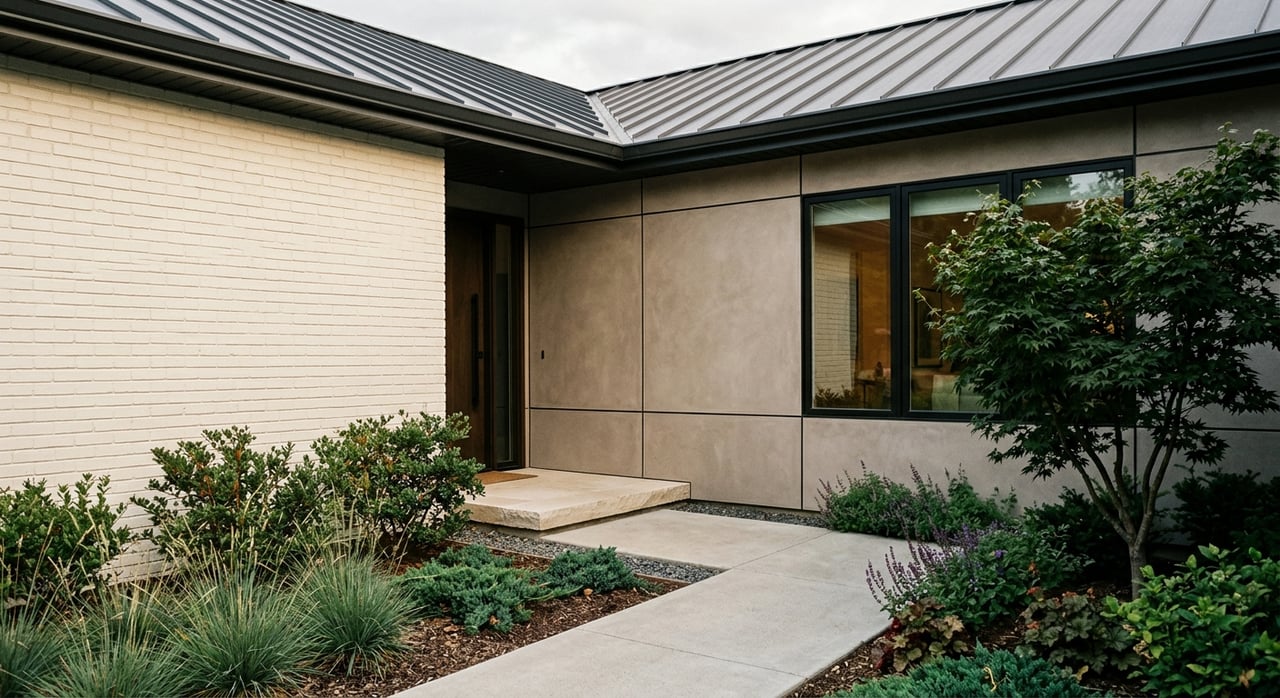
Trying to choose between Nashville and Franklin can feel simple at first, until you realize these two markets offer very different daily experiences. You may be comparing commute patterns, housing styles, price points, and the kind of lifestyle you want your home to support. The good news is that there is no wrong answer, only the better fit for your goals, budget, and rhythm of life. Let’s dive in.
Nashville vs. Franklin at a Glance
If you zoom out, the biggest difference is this: Nashville offers more variety, while Franklin offers more consistency. Nashville feels like a collection of distinct neighborhoods, each with its own pace, housing mix, and personality. Franklin feels more cohesive, with a preserved historic core and a more unified small-city feel.
That difference shows up in pricing too. As of May 2026, Nashville’s median sale price was about $474,716, while Franklin’s median sale price was about $849,492. Homes also moved a bit faster in Franklin, with about 52 days to sell compared with about 70 days in Nashville.
Home Prices and Value
For many buyers, price is the first filter. On a citywide basis, Nashville looks more approachable than Franklin. But once you start narrowing your search by neighborhood and lifestyle, the picture gets more nuanced.
Several Nashville neighborhoods are priced at or above Franklin’s citywide median. Sylvan Park had a median sale price of about $979,670, Green Hills was about $1.25M, and 12 South was about $1.60M. That means Nashville can range from more accessible citywide pricing to premium lifestyle-driven pockets very quickly.
Franklin is more expensive overall, but it still has range within the market. Central Franklin had a median sale price of about $689,768, while Westhaven was about $1,122,500. If you are looking for a historic area closer to the downtown core, Central Franklin may feel different from newer, amenity-rich sections like Westhaven.
What pricing really means for you
If your budget is centered on flexibility and more choice across different property types, Nashville may open more doors. If your budget is better aligned with larger homes or a polished suburban setting with a strong historic identity, Franklin may feel more on target.
This is where a design-conscious search can help. In both cities, the same price point can buy a very different experience, from a downtown condo to a larger single-family home with a more traditional footprint.
Housing Style and Inventory
Your ideal home base is not just about cost. It is also about the type of home you want to live in every day.
Nashville has a wider mix of housing products, especially in and near the urban core. Downtown Nashville recent sales included mostly 1- to 2-bedroom homes around 824 to 1,582 square feet, with prices from the mid-$400,000s to about $1.34M. Downtown Nashville’s median sale price was about $631,787, which reflects a condo and loft-heavy core rather than a primarily detached-home market.
Franklin leans more toward a suburban product mix, especially in newer sections. In Westhaven, recent sales skewed toward larger single-family homes from roughly 2,100 to 5,800 square feet, with prices from about $730,000 to $2.7M. In Central Franklin, the mix included smaller attached or cottage-style homes along with larger houses.
Nashville housing feel
Nashville works well if you want:
- Condos, lofts, or townhomes near the core
- More neighborhood-by-neighborhood variety
- A choice between urban living and upscale residential streets
- A home that puts restaurants, retail, or entertainment closer to your routine
Franklin housing feel
Franklin works well if you want:
- More single-family options
- Larger homes in many areas
- A preserved historic setting near downtown
- A more consistent suburban feel across your day-to-day life
Lifestyle and Daily Rhythm
This is where the choice becomes more personal. Nashville and Franklin support different lifestyles, even when both offer strong amenities.
Nashville has a broader and faster-moving feel. Official neighborhood descriptions highlight 12 South for walkability, restaurants, coffee houses, bakeries, bars, and boutiques. East Nashville is described as eclectic and historic, with restaurants, live music, art, and vintage shopping. Wedgewood-Houston is known as a creative hub with galleries, studios, restaurants, distilleries, and breweries.
Franklin’s center of gravity is more compact and heritage-driven. Historic downtown Franklin is described as a 16-block stretch of local shops, restaurants, coffeehouses, and attractions. The city also notes elegant shopping, art galleries, antique shops, and recurring events such as Main Street Festival, PumpkinFest, and Dickens of a Christmas.
If you want more energy
Nashville may be the better fit if you want a higher-tempo setting with more neighborhood options. It can offer easier access to live music, dining, nightlife, and a broader mix of experiences depending on where you land.
If you want more calm
Franklin may be the better fit if you want a polished small-city atmosphere with a strong sense of architectural character. Its downtown is preserved, walkable, and layered with historic building styles including Federal, Greek Revival, Italianate, and Victorian architecture.
Commuting and Getting Around
Your work schedule and mobility preferences should play a big role in this decision. A beautiful home can still feel inconvenient if it does not fit how you move through your week.
Franklin is more car-oriented, with a smaller transit network. Franklin Transit operates two bus routes with service every 30 minutes Monday through Saturday and more than 160 stops. The Red Route serves western Franklin, and the Blue Route connects downtown Franklin to Cool Springs and Williamson Medical Center.
Nashville offers a broader range of transit options. WeGo includes local, connector, express, and train service, including routes serving 12th Avenue South, Midtown, and Wedgewood-Houston, plus the Route 95 Spring Hill/Franklin line. WeGo also operates service between BNA and downtown, with the express ride taking about 20 minutes and the local trip taking about 35 to 45 minutes depending on traffic.
The Census Bureau reports Franklin’s mean travel time to work at 23.9 minutes. Both Franklin and Nashville also sit along the I-65 corridor, which helps explain why commuting between the two remains common.
When Nashville makes more sense
Nashville may suit you better if you want:
- More transit choice
- Easier access to the airport-connected route network
- More flexibility moving between neighborhoods
- A home base that supports a more urban routine
When Franklin makes more sense
Franklin may suit you better if you want:
- A lifestyle centered on Franklin, Cool Springs, Brentwood, or the I-65 corridor
- A driving-based routine that feels straightforward
- A smaller-city environment with local transit support
- A home that supports a more suburban pace
Which Buyers Tend to Prefer Nashville
Nashville often fits buyers who want location variety and lifestyle flexibility. If you are relocating and want the option to choose between a downtown condo, a walkable neighborhood, or an upscale residential pocket, Nashville gives you more pathways.
It can also appeal to buyers who value access to restaurants, entertainment, and a more layered urban experience. Neighborhoods like Downtown Nashville, 12 South, East Nashville, Wedgewood-Houston, Sylvan Park, and Green Hills each offer a distinct take on city living.
Which Buyers Tend to Prefer Franklin
Franklin often fits buyers who want a more settled atmosphere without giving up convenience. If you want a historic downtown, larger homes in many areas, and a lifestyle anchored by a walkable center plus major shopping access, Franklin stands out.
It can be especially appealing if you are looking for a home that feels turnkey, design-ready, and aligned with a more residential rhythm. From Central Franklin to Westhaven, the housing options can shift from historic charm to newer luxury product within the same city.
The Best Way to Make Your Decision
Instead of asking which city is better, ask which daily rhythm fits you better. Nashville is often the stronger choice for density, flexibility, and neighborhood variety. Franklin is often the stronger choice for architectural character, larger-home living, and a slower but still high-amenity pace.
A smart move is to compare not only list prices, but also how you want your mornings, evenings, and weekends to feel. The right home base should support your routine just as much as your long-term investment goals.
If you are weighing Nashville against Franklin, a local, design-minded strategy can make the decision much clearer. Shonte’ Walton offers a concierge approach for buyers and sellers who want thoughtful guidance, polished presentation, and a smoother move across the greater Nashville and Franklin market.
FAQs
What is the main price difference between Nashville and Franklin homes?
- As of May 2026, Nashville’s median sale price was about $474,716, while Franklin’s median sale price was about $849,492.
What kind of homes are common in Downtown Nashville?
- Downtown Nashville recent sales were mostly 1- to 2-bedroom homes, often condos or loft-style properties, ranging from about 824 to 1,582 square feet.
What kind of homes are common in Franklin neighborhoods like Westhaven?
- Recent Westhaven sales skewed toward larger single-family homes, roughly 2,100 to 5,800 square feet, with prices from about $730,000 to $2.7M.
Which city offers more walkable lifestyle areas, Nashville or Franklin?
- Nashville offers several distinct walkable neighborhoods such as 12 South, while Franklin’s walkable experience is more centered around its historic downtown district.
Is commuting between Franklin and Nashville common?
- Yes, both cities sit along the I-65 corridor, and commuting between Franklin and Nashville is a common relocation pattern.
Which city has more transit options, Nashville or Franklin?
- Nashville has a broader transit network with local, connector, express, and train service, while Franklin Transit operates two bus routes serving the city and parts of Williamson County.