Are you eyeing a move-up or luxury home in Nolensville or greater Williamson County and wondering if a jumbo loan is in your future? You’re not alone. Many local homes sit in price ranges where standard conforming loans may not be enough. In this guide, you’ll learn exactly what jumbo loans are, the typical requirements, and how those rules play out in our local market so you can plan with confidence. Let’s dive in.
What counts as a jumbo loan here
The conforming limit and the jumbo line
A jumbo loan is any mortgage amount that exceeds the conforming loan limit set each year by the Federal Housing Finance Agency. Because jumbos are not purchased by Fannie Mae or Freddie Mac, they follow different underwriting rules and often come with stricter requirements. Always verify the current limit for Williamson County before you set your budget.
Why Nolensville buyers often cross the limit
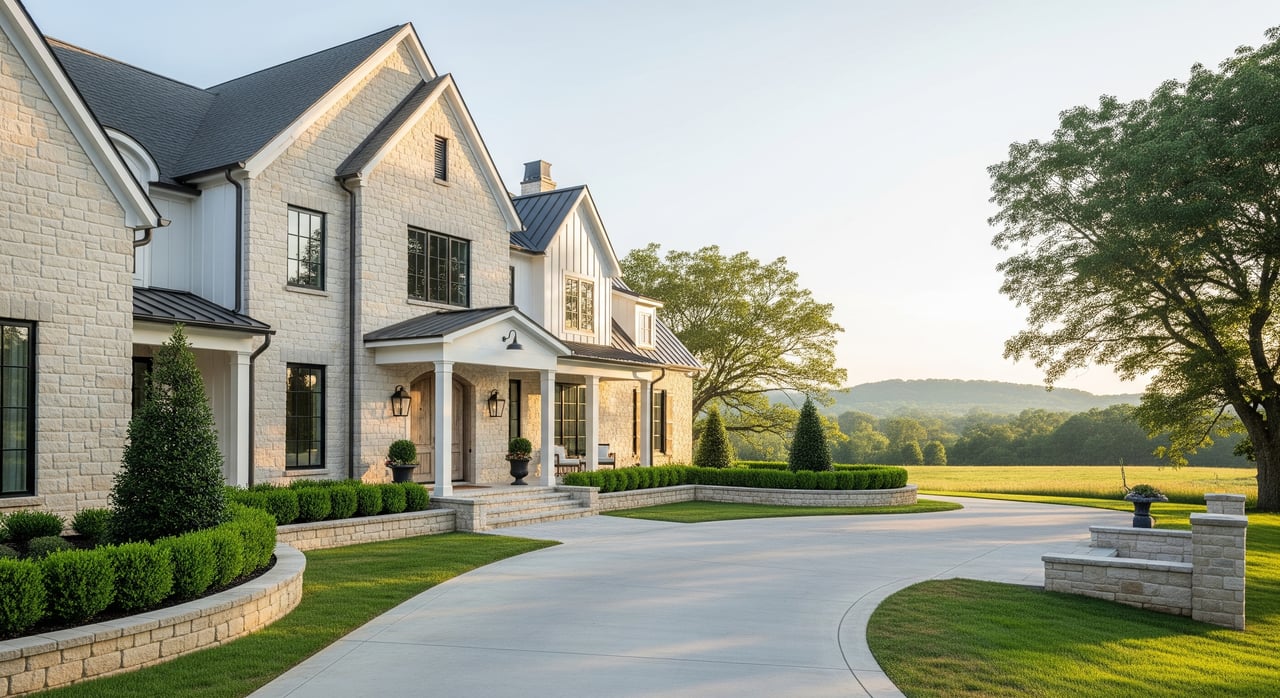
Williamson County is a high-demand suburban market south of Nashville. Larger lot sizes, new or custom construction, and elevated finishes are common in move-up and luxury segments. Those features can push total purchase prices above the conforming cap, which is why jumbo financing is common for buyers in these tiers.
Core jumbo requirements at a glance
Down payment and LTV
For primary residences, many lenders cap loan-to-value at 70% to 90%, which means a typical down payment falls between 10% and 30%. Many standard jumbo products favor 20% or more down. Second homes and investment properties usually require higher down payments, often 25% to 40%.
Credit score expectations
Typical minimum credit scores range from 680 to 720, with the most competitive pricing often at 720 or higher. Lenders look for longer credit histories, low utilization on revolving accounts, and minimal recent derogatory items. Stronger credit can improve both rates and fees.
Debt-to-income ratios
Most jumbo lenders set maximum debt-to-income ratios between 43% and 50%. Conservative lenders may cap at 43%. Documented, stable income is critical, and strong compensating factors like sizable assets can allow for more flexibility.
Cash reserves and liquid assets
Reserves are a defining feature of jumbo underwriting. Many lenders want 6 to 12 months of PITI for a primary residence. Second homes and investment properties can require 12 months or more. Retirement accounts and marketable securities may count, but lenders can require seasoning or proof of liquidity.
Income and documentation
Full documentation is standard. Expect to provide W-2s for the past two years, recent pay stubs, and complete bank, brokerage, and retirement statements. If you are self-employed or have nontraditional income, plan for two years of tax returns, year-to-date profit and loss statements, and additional support for bonuses, commissions, rental income, or investment income.
Appraisals and property types
Jumbo loans require a full appraisal. For custom homes, acreage, and unique properties, comparable sales can be limited, which can add time and complexity. Some lenders order a second appraisal or a review for confirmation. Condos and PUDs may need project approval, and mixed-use or rural properties can trigger extra underwriting steps.
Rates, points, and lender variability
Jumbo rates are often higher than conforming rates, though the spread changes with market conditions. Pricing depends on your credit score, LTV, loan term, and features like fixed versus adjustable-rate. Lender overlays matter a lot. Two lenders can reach different decisions for the same borrower, so shopping is essential.
How these rules play out in Nolensville
Appraisal realities for custom and acreage homes
Higher-end and custom homes in Williamson County sometimes have limited comparable sales. Appraisers may need more time to identify suitable comps and adjust for unique features. For new construction, appraisers often separate the value of the home from the lot. Lenders tend to be conservative on land value and site improvements.
Taxes, HOA dues, and insurance in qualifying
Property taxes, HOA dues, and insurance all factor into your PITI, which affects your DTI and reserve requirements. If a property is in a flood zone, you will need flood insurance and possibly additional underwriting steps. Having accurate tax bills and HOA statements early keeps the process efficient.
Title, surveys, and local practices
Some lenders request surveys for rural or larger parcels to confirm boundaries. Title work timelines and Tennessee closing practices can influence your schedule. Build in extra time so the appraisal, title work, and any survey requirements do not rush your decision-making.
New construction financing dynamics
Builder incentives like seller credits or rate buydowns can interact with jumbo rules. Some builders use portfolio lenders familiar with local products. If you are building or buying new, expect more documentation, potential additional appraisal reviews, and careful coordination of credits and closing costs.
Why local experience matters
Lenders who know Williamson County and Greater Nashville typically select appraisers faster and set realistic expectations for comps. They also understand common property types here, from suburban homes with large lots to acreage transitions. Comparing national banks, regional banks, local credit unions, and mortgage brokers can reveal meaningful differences in approval terms and pricing.
Your jumbo-prep checklist
Use this list before you apply for preapproval or make an offer.
- Personal documentation
- 2 years of tax returns
- 2 most recent pay stubs and year-to-date income
- W-2s for the last 2 years
- Government-issued ID
- Asset documentation
- 2 to 3 months of statements for bank, brokerage, and retirement accounts
- Documentation for large deposits, including gift letters or sale statements
- Credit preparation
- Review your credit report and resolve any collection items if possible
- Avoid new credit inquiries or large purchases before closing
- Do not close existing credit accounts without guidance
- Income and employment
- Letters from employers explaining unusual compensation like bonuses or overtime
- For self-employed borrowers, current profit and loss statements and business documentation
- Property paperwork when available
- HOA documents, including budgets and meeting minutes for condos or PUDs
- Recent tax bills and insurance invoices
- Any inspection reports provided by the seller
- Cash reserves planning
- Plan for 6 to 12 months of PITI for a primary residence
- Expect higher reserves for second homes or investments
- Appraisal and valuation readiness
- Prepare for the possibility of an appraisal gap and have contingency funds
- Allow extra time for appraisals on custom, new, or acreage properties
- Timeline expectations
- Build in time for appraisal, underwriting, and any lender-requested updates
- Get a written preapproval, not just a prequalification
Smart questions to ask lenders
Use these prompts to compare offers and find the right fit.
Loan basics
- Is this a jumbo loan or a portfolio product, and who is the investor?
- What are the interest rate, APR, and rate lock period today?
- What discount points are available, and how do they change the rate?
Underwriting criteria and limits
- What are your maximum loan amount and maximum LTV for this property type?
- What minimum credit score do you require for this LTV and pricing tier?
- What is your maximum DTI in standard cases, and with compensating factors?
Reserves and assets
- How many months of PITI reserves do you require for primary, second home, and investment properties?
- Which asset sources count for reserves, and do any require seasoning?
Income and documentation
- How do you evaluate non-W-2 income like self-employment, rental, or investment income?
- What documents will you require from self-employed borrowers?
Appraisal and valuation
- Do you order a single appraisal, a review, or a second appraisal for this loan size and property type?
- How do you handle properties with limited comps, new construction, or acreage?
Fees and closing
- What lender and third-party fees should I expect?
- Do you allow seller concessions or credits toward closing costs, and what are the limits?
Loan features and contingencies
- Do you offer temporary buydowns, jumbo ARMs, or hybrid options?
- What are your policies on rate lock extensions and float-downs?
Local experience and timing
- How often do you close jumbo loans in Williamson County or Nolensville?
- What are your typical underwriting and closing timelines in this area?
Post-close and servicing
- Who will service my loan after closing? Will it be sold or kept in portfolio?
- Are there prepayment penalties or refinance limitations?
Timeline and next steps
If you’re exploring move-up or luxury homes in Nolensville, start with a written preapproval from a lender experienced in Williamson County jumbos. Plan for a slightly longer timeline to accommodate appraisal complexity on custom, new, or acreage properties. Compare at least a few lenders to see how their overlays, reserve requirements, and pricing differ.
When you’re ready to tour properties, align your financing plan with your lifestyle goals and design priorities. Focus on homes that tell the right visual story and fit your long-term budget, including taxes, HOA dues, and insurance. If you want a partner who brings both presentation expertise and transaction clarity, we’re here to help you move with confidence.
Ready to explore your next move in Nolensville or greater Williamson County? Schedule a conversation with Shonte’ Walton to plan your path and streamline the process from first showing to closing.
FAQs
What is a jumbo loan in Williamson County?
- A jumbo loan is any mortgage that exceeds the FHFA’s conforming loan limit for the county, and in our area move-up and luxury purchases often reach that threshold.
How much down payment do I need for a jumbo in Nolensville?
- Typical jumbo down payments range from 10% to 30% for primary homes, with many lenders preferring 20% or more; second homes and investments often require 25% to 40%.
What credit score and DTI do jumbo lenders look for?
- Many lenders prefer 720 or higher for the best pricing, with common minimums between 680 and 720, and typical maximum DTI caps between 43% and 50%.
How many months of reserves should I plan for?
- Expect 6 to 12 months of PITI for a primary residence, and 12 or more months for second homes or investment properties.
Will the appraisal take longer for custom or acreage homes?
- It can, because comparable sales may be limited; some lenders also order a second appraisal or review, so building in extra time is wise.