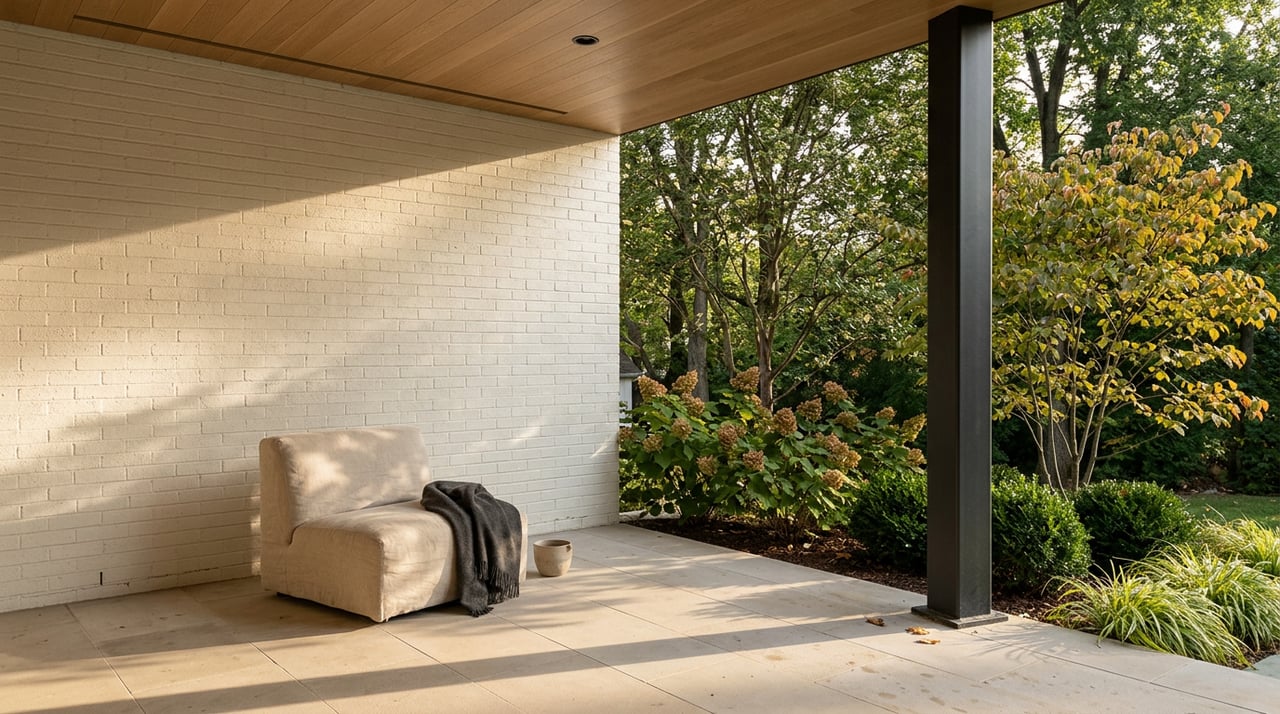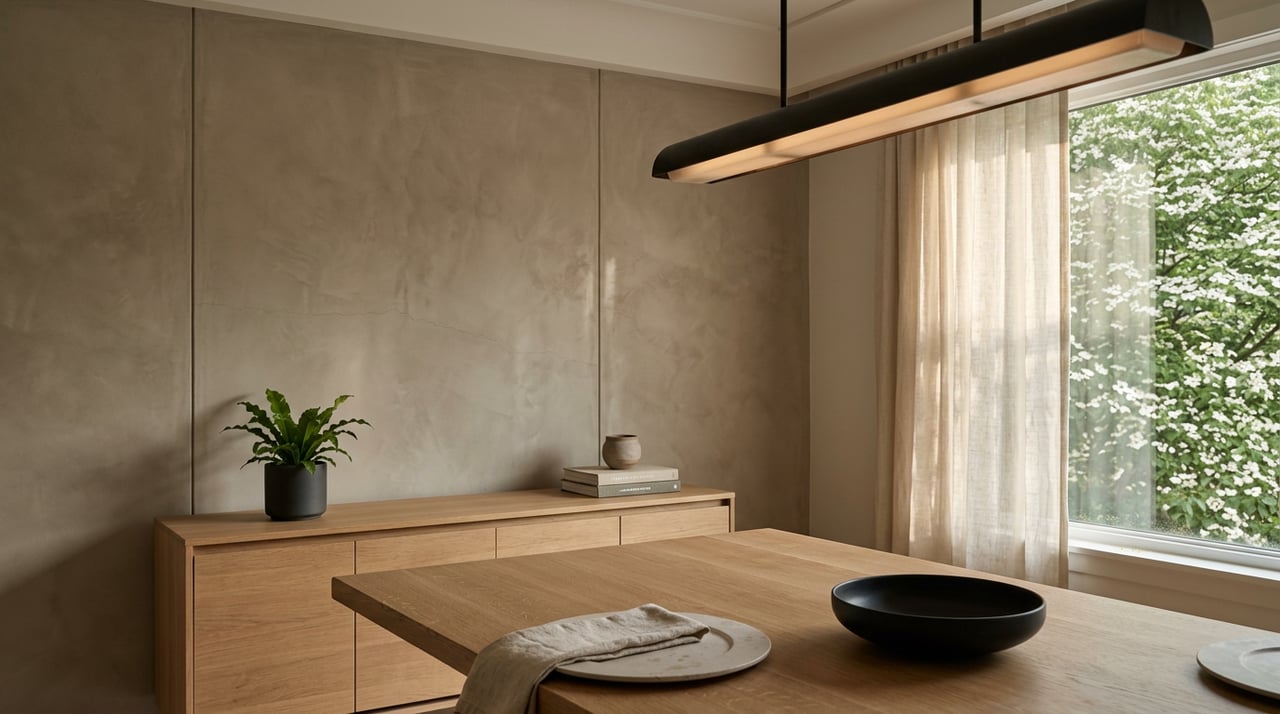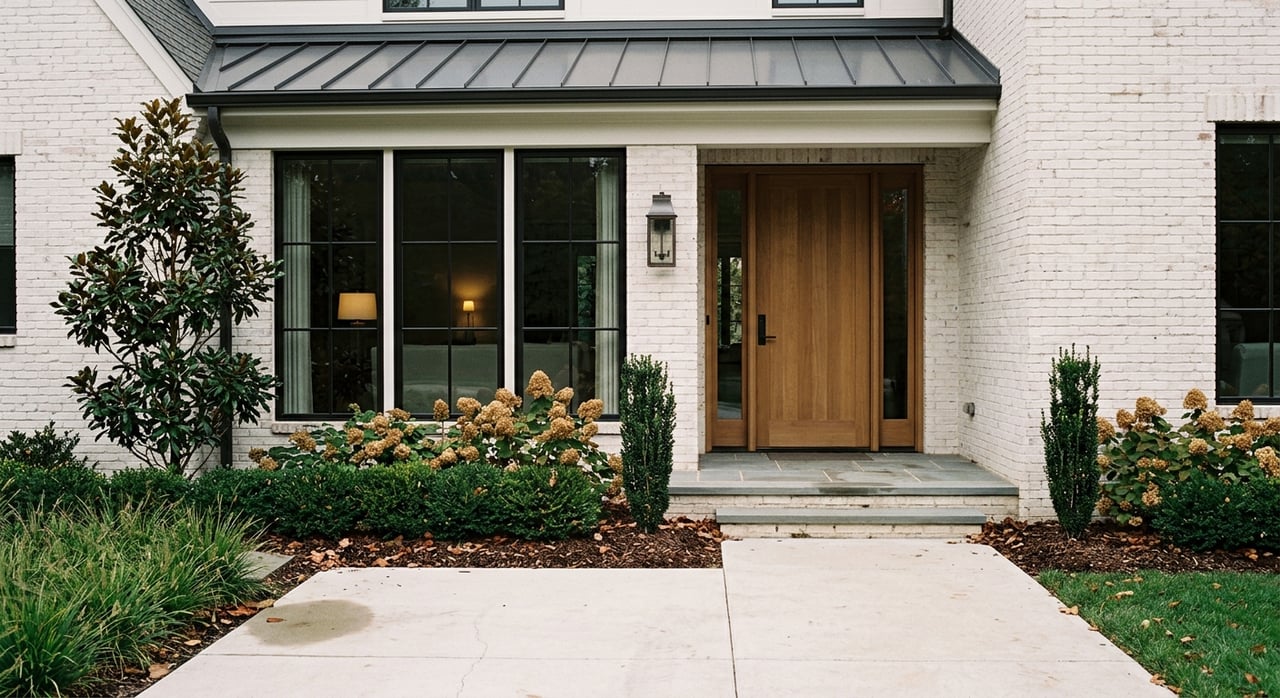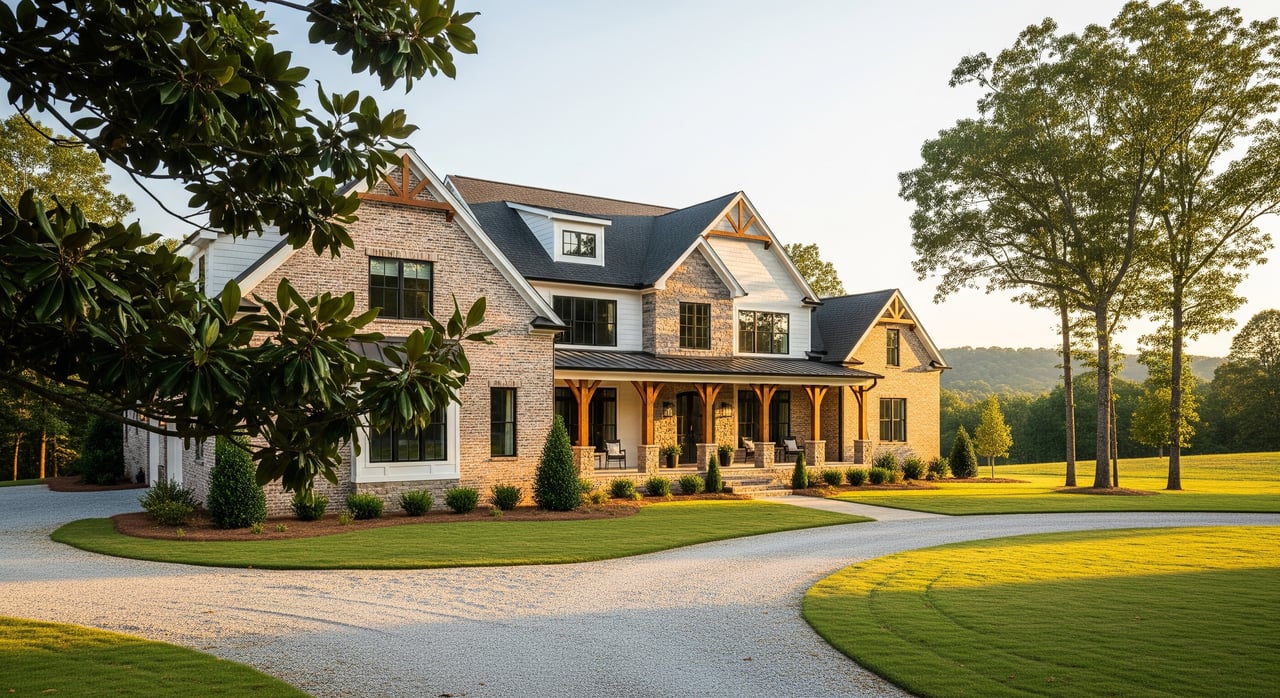
Thinking about upsizing to Spring Hill for more space, style, and value? You are not alone. Many buyers are moving south for larger lots, newer homes, and easier access to key commute routes without sacrificing daily conveniences. In this guide, you will learn how Spring Hill’s Maury County side is organized, what neighborhood types fit different priorities, how to test commutes, and how to plan a productive weekend tour. Let’s dive in.
Why focus on Maury County
Spring Hill straddles Maury and Williamson Counties, and that matters for your taxes, permitting, and certain services. If you are shopping in the Maury County portion, verify the county line for each property during your search. Many municipal and county processes are county‑based, so double‑checking the parcel’s county helps you plan costs and timelines. This quick step will keep your shortlist accurate from the start.
How Spring Hill is laid out
Spring Hill has grown quickly thanks to I‑65 and regional connectors that made commuting easier. You will find a mix of older downtown pockets, mid‑age subdivisions from the 2000s–2010s, and newer master‑planned communities built over the past decade. New growth clusters along major corridors where utilities have been extended. This blend gives you meaningful tradeoffs to consider as a move‑up buyer.
Neighborhood types at a glance
Each neighborhood type offers a different mix of space, finishes, and location advantages. Use these profiles to narrow your focus.
Historic and established pockets
These sit near the original downtown and along older residential streets. You will see ranch and cottage‑style homes, some 1.5‑story plans, and mature trees on smaller to mid‑size lots.
- Advantages: Proximity to local businesses, established landscaping, and potential for cosmetic updates at a lower price than many new builds of similar size.
- Tradeoffs: Older systems, smaller garages, and fewer ensuite bedrooms compared with modern construction.
Mid‑age suburban subdivisions
Built during earlier boom years, these neighborhoods often sit along established arterials with community amenities.
- Advantages: A balanced value of price, space, and a mature neighborhood feel. Many include pools or playgrounds without the premium of brand‑new construction.
- Tradeoffs: HOA dues vary, lots can be inconsistent in size, and homes may need age‑related maintenance.
New‑build and master‑planned communities
On the edges of town you will see larger developments with model homes, design centers, and packaged amenities.
- Advantages: Contemporary open layouts, energy efficiency, builder warranties, and new infrastructure. Floor plans often include lofts, flexible rooms, and spacious primary suites.
- Tradeoffs: Base lots can be narrower unless you opt for a premium site. Expect construction activity and potential pricing premiums as the neighborhood builds out.
Rural and estate parcels
Just beyond the core, you will find larger lots on former farmland with custom homes and room for accessory structures.
- Advantages: Privacy, space for outdoor living, and options for workshops or detached garages.
- Tradeoffs: Longer drives for services, potential wells or septic systems, and higher site work costs.
Commute corridors to know
Spring Hill’s commute experience depends on your exact starting point and the route you choose. Always test the drive during peak hours before you commit.
Saturn Parkway benefits
Saturn Parkway is a key connector that shortens the trip to I‑65 and provides an east–west bypass around parts of the city. Access to a closer Saturn Parkway ramp can save real time in peak traffic. When touring, note the nearest ramp and how easily you can reach it from a given neighborhood.
I‑65 access and variability
I‑65 is the main north–south route to Nashville. Peak‑period traffic and ramp congestion can add delays, so test your preferred route in both morning and evening. Compare a Saturn Parkway path with a US‑31 to I‑65 approach to see which is more predictable for your schedule.
US‑31 and local movement
US‑31 provides local north–south travel through Spring Hill and connects to nearby towns. If you prefer surface streets for errands, weigh how a neighborhood’s position on US‑31 or parallel arterials affects your daily routine.
Public transit reality
Regional transit is limited in Spring Hill, so most residents drive. If you need commuter alternatives, verify any current regional bus or park‑and‑ride options as part of your decision.
Amenities and daily living
Spring Hill’s commercial growth includes groceries, retail, restaurants, and services clustered along major corridors. Some of the newest subdivisions are a bit farther from established shopping centers, so check the daily drive for your errands.
For parks and culture, the city maintains parks and recreational facilities, and the historic Rippavilla Plantation serves as a local cultural site and event venue. When touring, visit nearby green spaces and greenways to see how they fit into your lifestyle. If healthcare access is important, confirm drive times to your preferred clinics and regional hospitals in Columbia, Franklin, or Nashville.
Utilities vary by location. Newer subdivisions typically have public water and sewer, underground power, and modern broadband options. Older or rural parcels may rely on wells or septic and can have different internet choices, so verify before you write an offer. Always review HOA documents for dues, included services, and restrictions, and check whether FEMA flood maps or topography present any site constraints.
Home features move‑up buyers seek
Most upsizing households target 3 to 5 bedrooms and 2,000 to 3,500 or more square feet. The features that matter most often include:
- Open kitchens with walk‑in pantries and island seating.
- First‑floor primary suites or well‑designed secondary ensuites.
- Flexible rooms for an office, homework zone, or gym.
- Bonus rooms or lofts for separation of activities.
- 3‑car garages or storage for hobbies.
- Mudrooms and drop zones for an organized entry.
- Outdoor living such as covered patios and fenced yards.
If you plan to personalize, focus on layouts and light first. Cosmetic updates are straightforward with the right plan and budget.
Resale vs new construction
Both paths can work well in Spring Hill. The best choice depends on your timeline, tolerance for construction, and appetite for design upgrades.
- New construction pros: Modern layouts, energy efficiency, builder warranties, and the ability to choose finishes during the build stage.
- New construction cons: Premium pricing for similar square footage, smaller base lots in many neighborhoods, ongoing construction activity, and uncertain closing timelines.
- Resale pros: Often larger lots, mature landscaping, quicker occupancy, and potential room to negotiate price or concessions.
- Resale cons: Possible near‑term maintenance, older systems, and fewer modern floor‑plan features unless renovated.
Build your shortlist
Start with the non‑negotiables. Then compare at least one option from each neighborhood type so you can feel the tradeoffs in person.
- Define must‑haves: bedrooms, baths, square footage, and minimum lot size.
- Set commute thresholds: maximum minutes and acceptable routes to work and key destinations.
- Decide on HOA profile: amenities you want, fees you accept, and any restrictions you cannot live with.
- Verify county and taxes: confirm the property is in Maury County and review the assessor’s information for taxes and parcel details.
- Include a mix: one established resale, one mid‑age subdivision, and one new‑build community.
Plan a productive weekend tour
Efficient routing helps you see more and decide faster.
- Group by geography: plan a central block near downtown, a northern cluster near Saturn Parkway access, and a southern swing for rural or estate parcels.
- Test peak traffic: do a mock commute for your top contenders in the morning or evening.
- Check amenities: stop by the nearest park, grocery, and your preferred highway entrance.
- Compare within communities: in new neighborhoods, tour a finished resale and a builder model to gauge finishes and lot conditions.
What to look for during tours
Bring a simple checklist so you do not miss the essentials.
- Lot and setting: drainage, slope, sun exposure, tree placement, and privacy from neighboring uses.
- Exterior: roof age, gutters, siding, driveway wear, and garage capacity.
- Interior flow: sightlines from kitchen to yard, placement of the primary suite, and flexibility for an office or play zone.
- Storage and systems: closet capacity, HVAC visibility and age cues, attic access, and insulation quality in older homes.
- Noise and access: traffic levels on nearby arterials, distance to highway ramps, and any construction activity.
Questions to ask sellers and builders
Clarify the cost, timing, and long‑term rules before you fall in love.
- For resale: What repairs or permits have been completed recently? What are typical utility costs? How old are the roof and HVAC? Any pending neighborhood assessments?
- For new construction: What is the site and amenity completion timeline? What does the warranty cover? What is included versus an upgrade? Are there any price escalators between contract and closing?
- For both: Are there nearby road projects or planned developments? Request HOA covenants, restrictions, and fee schedules in writing.
Market data to request
Ask your agent to assemble recent sales and supply metrics for the past 6 to 12 months. Focus on the neighborhoods you prefer rather than citywide averages.
- Median sale price and price per square foot for your target size range.
- Inventory levels and days on market to read the competitive climate.
- Premiums for new construction compared with nearby resales of similar size.
- Recent high and low sales to understand the realistic range for your budget.
Your next step
If you are ready to upsize in Spring Hill’s Maury County side, start by defining your top three must‑haves, mapping your commute thresholds, and selecting a mix of established, mid‑age, and new‑build options. Then plan a weekend route and test peak travel for your finalists. If you want a designer’s eye on layout, light, and potential, connect for a tailored shortlist and tour plan. Schedule a free consultation with Shonte’ Walton to get a curated set of homes and a clear, time‑efficient path to your next address.
FAQs
What makes the Maury County side of Spring Hill different?
- The city spans two counties, so properties in Maury County can have different taxes and processes than those in Williamson County. Always verify the parcel’s county early in your search.
How should I test the Spring Hill commute before buying?
- Drive your preferred routes during peak hours, comparing a Saturn Parkway path to a US‑31 and I‑65 approach. Note ramp access, bottlenecks, and total door‑to‑door time.
Which Spring Hill neighborhoods offer larger lots for upsizing?
- Established neighborhoods and rural or estate parcels typically offer more yard space, while many new‑build communities have narrower base lots unless you choose a premium or estate‑size site.
How do HOAs in Spring Hill typically work?
- Many subdivisions have HOAs that fund amenities and maintenance. Review fees, included services, and restrictions on items like fencing, sheds, and exterior changes before you make an offer.
Should I choose new construction or a resale home?
- New construction offers modern layouts, efficiency, and warranties but can carry premiums and construction timelines. Resales may deliver bigger lots and faster closings, with potential for updates.
What are the top items to inspect during tours?
- Focus on lot conditions, roof and exterior health, interior flow and flexibility, storage and mechanical systems, and any noise or traffic patterns that could affect daily life.